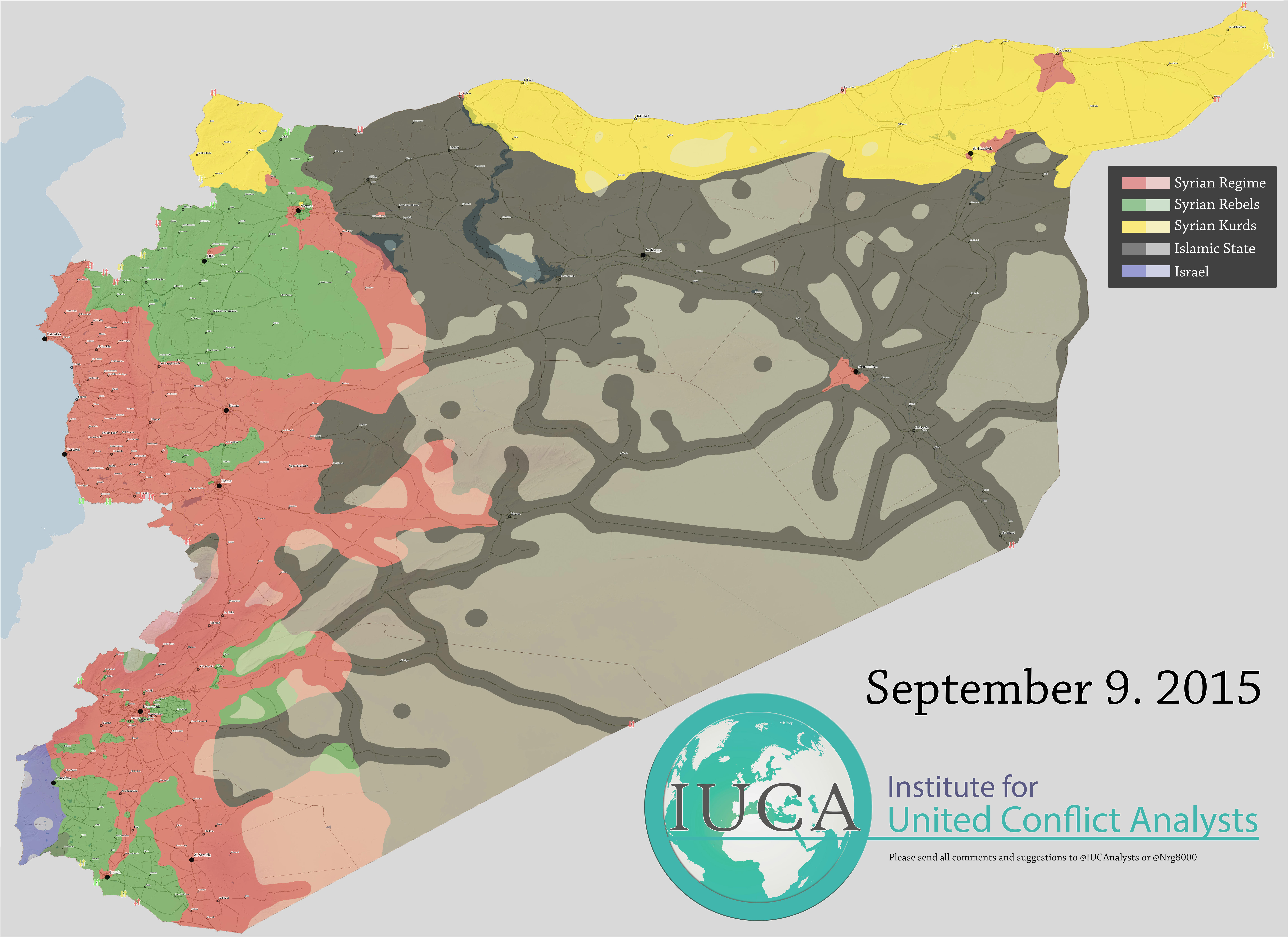
Turkish warplanes have bombed and evidently badly damaged the Iron Age temple of Ain Dara in Northern Syria as part of their campaign against Kurdish separatists.
Far from expressing outrage, the major archaeological lobbying groups including the AIA, ASOR and the Antiquities Coalition have remained silent.
But why? A cynic might think these groups are more concerned about angering the Turkish government than in maintaining a consistent message.
After all, the Turkish Government offers archaeologists associated with these groups valuable excavation permits for archaeological sites within the country.
Showing posts with label ASOR. Show all posts
Showing posts with label ASOR. Show all posts
Wednesday, January 31, 2018


Friday, December 8, 2017
Hipster Internet Art Newsletter Raises Alarm About Antiquities being "Weaponized" for Political Purposes
"Hyperallergic," an Internet "forum for playful, serious, and radical perspectives on art and culture in the world today" has joined the Committee for Cultural Policy in taking on fantastical claims about ISIS funding itself with looted antiquities, albeit from a far different perspective. Tellingly, the post by archaeologist Michael Press -- though well researched-- avoids the elephant in the
room. Who was responsible for "weaponizing" antiquities in the
first place? The ISIS killing machine was bad enough to justify military intervention, particularly given its terror threats not only in the region but to Europe and the US as well.
Of course, the answer is quite apparent to those who represent the interests of collectors, museums and the trade. It is the State Department's Cultural Heritage Center, which worked along with ASOR, the State Department contractor mentioned in the article, and the Antiquities Coalition, a well-funded archaeological advocacy group with ties to ASOR, the Archaeological Institute of America, as well as authoritarian Arab regimes. These groups were quite successful in laundering their dubious narrative not only through mainstream media (NY Times, Washington Post, Wall Street Journal, CBS, etc.) but through the foreign policy establishment as well (think tanks and Foreign Policy Magazine). The goal was threefold. First, getting Congress to pass permanent import restrictions on Syrian cultural goods (which was achieved through these scare tactics). Second, creating and funding an "Antiquities Czar" position that would elevate these groups' influence even further within the US Government. (A goal that was not realized.) Third, convincing Congress to lower the bar for criminal prosecutions based on foreign cultural patrimony laws. (Another goal that was not realized.) Meanwhile, those representing the interests of collectors, museums and the trade that raised the exact same issues about the credibility of these fantastical numbers early on have become targets for abuse from some of the very same individuals Press acknowledges for their contributions in exposing the truth.
Of course, the answer is quite apparent to those who represent the interests of collectors, museums and the trade. It is the State Department's Cultural Heritage Center, which worked along with ASOR, the State Department contractor mentioned in the article, and the Antiquities Coalition, a well-funded archaeological advocacy group with ties to ASOR, the Archaeological Institute of America, as well as authoritarian Arab regimes. These groups were quite successful in laundering their dubious narrative not only through mainstream media (NY Times, Washington Post, Wall Street Journal, CBS, etc.) but through the foreign policy establishment as well (think tanks and Foreign Policy Magazine). The goal was threefold. First, getting Congress to pass permanent import restrictions on Syrian cultural goods (which was achieved through these scare tactics). Second, creating and funding an "Antiquities Czar" position that would elevate these groups' influence even further within the US Government. (A goal that was not realized.) Third, convincing Congress to lower the bar for criminal prosecutions based on foreign cultural patrimony laws. (Another goal that was not realized.) Meanwhile, those representing the interests of collectors, museums and the trade that raised the exact same issues about the credibility of these fantastical numbers early on have become targets for abuse from some of the very same individuals Press acknowledges for their contributions in exposing the truth.
Wednesday, June 14, 2017
Desperately Seeking Continued Funding?
On June 8, 2017, CPO attended a panel discussion entitled, "Preserving Northern Iraq's Cultural Heritage." The major theme of the event was to document the good work the Smithsonian is doing stabilizing what is left of Nimrud after ISIS dynamited and bulldozed much of the site.
However, the continued hype about the supposed value of ISIS looted material ($80 million!) as well as surprising claims that cultural heritage preservation fights terrorism and fosters minority rights seem calculated to sway Trump Administration and Congressional budget officials as much as anything else. Indeed, it probably was no coincidence that representatives of the House Foreign Relations Committee were in the audience.
If anything, the American Schools of Oriental Research (ASOR) should be subject to serious scrutiny from appropriators given the $900,000 taxpayer costs of ASOR's cooperative agreement with the State Department, ASOR's efforts to lobby on issues related to that same contract, and the continuing efforts of ASOR members to hype the value of looting by ISIS long after other, more disinterested sources have questioned such hype.
However, the continued hype about the supposed value of ISIS looted material ($80 million!) as well as surprising claims that cultural heritage preservation fights terrorism and fosters minority rights seem calculated to sway Trump Administration and Congressional budget officials as much as anything else. Indeed, it probably was no coincidence that representatives of the House Foreign Relations Committee were in the audience.
If anything, the American Schools of Oriental Research (ASOR) should be subject to serious scrutiny from appropriators given the $900,000 taxpayer costs of ASOR's cooperative agreement with the State Department, ASOR's efforts to lobby on issues related to that same contract, and the continuing efforts of ASOR members to hype the value of looting by ISIS long after other, more disinterested sources have questioned such hype.
Monday, September 19, 2016
More Junk Science From Live Science
Owen Jarus and Live Science are at it again. Last time it was Egypt. Now it is Turkey. This time the trade data allegedly shows an increase in the exports of gold coins from Turkey that supposedly supports the proposition that they are being looted in Syria and shipped to the US from Turkey.
As I previously tried to explain to Mr. Jarus with regard to his last article, there is a major problem with his methodology. Such trade data relates to a "country of origin" of Turkey, which typically means place of manufacture NOT PLACE OF EXPORT. The data also captures antique gold coins, which means any gold coins over 100 years old-- not just ancient gold coins that might be "looted."
It's telling that Jarus relies on archaeologists associated with ASOR (a group that has received over $1 million in State Department largess to document looting by ISIS) rather than trade experts. (At least Dr. Al-Azm allows for the fact that the data is probably capturing values for Ottoman era coins that have been used to store wealth in the area over generations.)
In any event, if the big numbers cited are meant to impress, they need to be qualified to show what the trade data actually captures. If there is no such effort, the whole enterprise must be viewed as no more than an effort to mislead, which, of course, is the last thing that either Live Science or ASOR for that matter should want.
As I previously tried to explain to Mr. Jarus with regard to his last article, there is a major problem with his methodology. Such trade data relates to a "country of origin" of Turkey, which typically means place of manufacture NOT PLACE OF EXPORT. The data also captures antique gold coins, which means any gold coins over 100 years old-- not just ancient gold coins that might be "looted."
It's telling that Jarus relies on archaeologists associated with ASOR (a group that has received over $1 million in State Department largess to document looting by ISIS) rather than trade experts. (At least Dr. Al-Azm allows for the fact that the data is probably capturing values for Ottoman era coins that have been used to store wealth in the area over generations.)
In any event, if the big numbers cited are meant to impress, they need to be qualified to show what the trade data actually captures. If there is no such effort, the whole enterprise must be viewed as no more than an effort to mislead, which, of course, is the last thing that either Live Science or ASOR for that matter should want.
Wednesday, July 27, 2016
Mass Destruction or Mass Deception?
Anti-trade academic Neil Brodie apparently thinks ISIS must be selling coins to fund itself based on the appearance of 23 "new" Syrian Tetradrachms on the market per year since the start of the Syrian civil war. According to the study Brodie cites, this is an increase in the average of 17 "new" coins per year that appeared previously.
However, even assuming the increase can possibly be attributed to ISIS as opposed to the Assad regime, the "Free Syrian Army," destitute Syrian refugees selling off their own collections, or some new find outside Syria, the amounts of money sales of such coins could possibly generate won't do much to help fund a terrorist army.
So, the appearance of so few "new" coins on the market, if anything, underscores the fact that the amounts ISIS must really be making from antiquities sales is probably quite minimal in reality, despite the best efforts of the archaeological lobby to justify the millions of dollars it has received from the State Department and other sources to "study" the issue and lobby for further crack-downs on collecting.
However, even assuming the increase can possibly be attributed to ISIS as opposed to the Assad regime, the "Free Syrian Army," destitute Syrian refugees selling off their own collections, or some new find outside Syria, the amounts of money sales of such coins could possibly generate won't do much to help fund a terrorist army.
So, the appearance of so few "new" coins on the market, if anything, underscores the fact that the amounts ISIS must really be making from antiquities sales is probably quite minimal in reality, despite the best efforts of the archaeological lobby to justify the millions of dollars it has received from the State Department and other sources to "study" the issue and lobby for further crack-downs on collecting.
Wednesday, March 2, 2016
A$OR
The American Schools of Oriental Research have received over $2.1 million in grants from the US State Department and National Foundation for the Arts and Humanities, presumably to study ISIS and looting and cultural destruction in Syria and Iraq.
Meanwhile, credible estimates of the amount ISIS is making from illicit antiquities sales range from several hundred thousand to several million dollars.
What's wrong with this picture?
Meanwhile, credible estimates of the amount ISIS is making from illicit antiquities sales range from several hundred thousand to several million dollars.
What's wrong with this picture?
Monday, January 11, 2016
ISIS Crisis: Likely Fake Seized Months Ago Used as Justification for New Laws?

The archaeological lobby in both the United States and Germany are joined at the hip with the foreign policy bureaucracies of both countries. In the US, the State Department's Bureau of Educational and Cultural Affairs has worked closely with archaeological groups like the Archaeological Institute of America and the American Schools of Oriental Research for years. In Germany, the German Archaeological Institute is similarly linked to the German Foreign Ministry.
Moreover, both the US State Department and the German Foreign Ministry have recently decided that repatriation is a "soft power" measure that can further foreign relations with source countries in Southern Europe and the Middle East. And the archaeological lobby can be counted on to be supportive of even the most authoritarian of regimes as long as excavation permits are assured. So, perhaps it should be no surprise that what appears to knowledgeable antiquities dealers to be a fake seized back in March is now being used months later to again claim that there is an "ISIS Crisis" demanding a change in current law on the importing of antiquities.
Serious questions have been raised as to the wisdom of the current forms of HR 1493/S.1887 in the United States and a new Cultural Heritage law in Germany, particularly now that dubious claims about ISIS and antiquities have been exposed. So, perhaps this story that appears to have been planted in the New York Times at the behest of the State Department and archaeological groups in the US and Germany should be viewed more as part of a desperate effort to overcome legitimate questions about this legislation and the new intrusive bureaucracies that would be created in the US and Germany as much as anything else.
Tuesday, November 17, 2015
Terrorist Financing
A House Foreign Relations subcommittee held a hearing on terrorist financing. ISIS gets most of its $1 bn from confiscations, taxes and "hot oil," but the terror group also gains funding from ransoms, donations and sales of looted antiquities. ASOR/State Department Point Man Michael Danti rightly declined to to put a number on the value of these looted antiquities, and noted that far more needs to be done by Lebanon, Turkey, Greece, Cyprus and Bulgaria, which are the main transit points to the EU. Frankly, the last four have a special obligation to act given their own self-righteous stance when it comes to their own cultural patrimony. But will the archaeological lobby hold their feet to the fire?
Friday, October 30, 2015
Bad Paperwork to Save S.1887/HR 1493?
That would seem to be the hope, at least, of some of the bill's proponents, given the involvement of archaeologists associated with the State Department/ASOR Syrian cultural heritage initiative in hyping a story about alleged misrepresentations on paperwork of antiquities destined for the Green collection. Misleadingly, the article associates the seizure of the antiquities with ISIS, even though the alleged transgression dates from 2011, well before ISIS was much of a force in either Iraq or Syria.
In any event, suspicions aroused about cynical efforts to use ISIS scare tactics probably account for the bill's troubles as much as anything else. As it is, the Senate is rightly taking its time to consider the the bill's proposed creation of a new State Department bureaucracy as well as its proposed bypass of the CPIA's procedures for CPAC review. The concerns of all stakeholders should be taken into account despite efforts to distract the Senate with more false claims about ISIS.
In any event, suspicions aroused about cynical efforts to use ISIS scare tactics probably account for the bill's troubles as much as anything else. As it is, the Senate is rightly taking its time to consider the the bill's proposed creation of a new State Department bureaucracy as well as its proposed bypass of the CPIA's procedures for CPAC review. The concerns of all stakeholders should be taken into account despite efforts to distract the Senate with more false claims about ISIS.
Thursday, October 8, 2015
Two Ways of Protecting Syrian Cultural Property
Two ways of protecting Syrian cultural patrimony emerged during the past week.
First, the AAMD announced protocols for safe haven of cultural property endangered by war, something that CPO heartily supports, but which is a concept that has provoked opposition from ASOR (which is running the State Department's Syrian Cultural Heritage Initiative) and the Archaeological Institute of America.
Second, Russian warplanes reportedly bombed Palmyra, a move welcomed by the Assad regime's director of antiquities who hopes the Russians will drive out ISIS before the site is destroyed. So far, the same groups that have criticised the AAMD have been silent as to the reported Russian actions.
CPO wonders how long before Putin is being heralded as the savior of Syria's antiquities, at least in some quarters.
First, the AAMD announced protocols for safe haven of cultural property endangered by war, something that CPO heartily supports, but which is a concept that has provoked opposition from ASOR (which is running the State Department's Syrian Cultural Heritage Initiative) and the Archaeological Institute of America.
Second, Russian warplanes reportedly bombed Palmyra, a move welcomed by the Assad regime's director of antiquities who hopes the Russians will drive out ISIS before the site is destroyed. So far, the same groups that have criticised the AAMD have been silent as to the reported Russian actions.
CPO wonders how long before Putin is being heralded as the savior of Syria's antiquities, at least in some quarters.
Thursday, October 1, 2015
Email to CBS News
Margaret Brennan's report on documents seized from a
terrorist financier in Syria contains some serious errors. (see http://www.cbsnews.com/videos/isis-records-show-millions-raised-by-antiquities-smuggling/)
Sincerely,
First, the report states that documents seized from Abu
Sayyaf prove that ISIS has made $100's of millions of dollars from stolen
antiquities. However, the documents themselves only support a far lower number,
$1.25 million. (See https://gatesofnineveh.wordpress.com/2015/09/30/new-documents-prove-isis-heavily-involved-in-antiquities-trafficking/)
Second, the story again suggests that Apamea has been
looted by ISIS. In fact, the city has been in the hands of the Assad
government since the beginning of the conflict. (See http://culturalpropertyobserver.blogspot.com/2015/09/the-perils-of-limited-sourcing.html)
These errors would be more forgivable if it were not that a
CBS producer was on a panel at the MET event where these issues were discussed.
Michael Danti of the State Department/ASOR Cultural Heritage
Initiative spoke about Apamea being in Assad's hands at the conference.
In addition, several speakers put far lower values on stolen antiquities. (See http://culturalpropertyobserver.blogspot.com/2015/09/forging-publicprivate-response-to-save.html)
All this begs the question whether facts are being distorted
in order to help justify proposed legislation in Germany and the US that would
create intrusive new bureaucracies to regulate the longstanding trade in
cultural goods.
Sincerely,
Peter Tompa
Wednesday, September 30, 2015
Forging a Public/Private Response to Save Endangered Patrimony of Iraq and Syria
CPO appreciates being invited to this event. A few observations.
It was nice to see a recognition that it is important to work with collectors and dealers on these issues. CPO supports efforts to encourage more due diligence, but the level of it must depend on the value of the object and what information about it is likely available. The presumption should never be that an artifact is "illicit" merely because of where it was made thousands of years ago.
After hearing Michael Danti speak twice now, CPO has come to the conclusion that Danti is reporting the facts as accurately as he can, but then they are "spun" by others to achieve another purpose. For example, Danti said point blank that all sides are involved in looting and that Apamea has always been in Assad's hands. The problem is what Danti says is selectively reported so it makes it sound like ISIS is the only problem in the region. So, over and over again we have that same picture of all those holes at Apamea which are then by implication attributed to ISIS rather than the Assad regime.
CPO is now even more dubious that looted antiquities are a major ISIS funding source. Assistant Secretary Keller of the State Department's Bureau of Economic and Business Affairs said that ISIS has probably netted several million dollars from antiquities sales, but he also put all ISIS income at over $1 billion.
This again begs the question whether the value of "conflict antiquities" from Syria really justifies major changes in the law both here and in Germany or whether it's all being purposefully overblown in the effort to justify the creation of intrusive new government bureaucracies in both countries.
It was nice to see a recognition that it is important to work with collectors and dealers on these issues. CPO supports efforts to encourage more due diligence, but the level of it must depend on the value of the object and what information about it is likely available. The presumption should never be that an artifact is "illicit" merely because of where it was made thousands of years ago.
After hearing Michael Danti speak twice now, CPO has come to the conclusion that Danti is reporting the facts as accurately as he can, but then they are "spun" by others to achieve another purpose. For example, Danti said point blank that all sides are involved in looting and that Apamea has always been in Assad's hands. The problem is what Danti says is selectively reported so it makes it sound like ISIS is the only problem in the region. So, over and over again we have that same picture of all those holes at Apamea which are then by implication attributed to ISIS rather than the Assad regime.
CPO is now even more dubious that looted antiquities are a major ISIS funding source. Assistant Secretary Keller of the State Department's Bureau of Economic and Business Affairs said that ISIS has probably netted several million dollars from antiquities sales, but he also put all ISIS income at over $1 billion.
This again begs the question whether the value of "conflict antiquities" from Syria really justifies major changes in the law both here and in Germany or whether it's all being purposefully overblown in the effort to justify the creation of intrusive new government bureaucracies in both countries.
Wednesday, September 23, 2015
Michael Danti Speaks
Michael Danti, who runs the State Department-ASOR Syrian Cultural Heritage initiative, spoke about his activities on an ABA Cultural Heritage Law Committee "telecoffee" discussion. Michael McCullough, the Committee Chair, acted as moderator. A link to the talk, which was recorded, will appear on the Committee's website. See here. The below is based on my hurried notes so CPO readers are encouraged to listen to the program themselves if they want more than CPO's impressions of the event.
Danti dug in Syria from 1991-2010. He has also worked in Iraqi Kurdistan. He has been associated with Boston University and the University of Pennsylvania. He oversees the initiative that not only monitors the ongoing situation in Syria, but has also been involved in disaster planning and training initiatives for Syrian cultural heritage officials.
The conflict response includes 40-50 people and there are 5-10 reporters about what is going on within Syria itself. (The initiative also relies on Arab media sources.)
Danti indicates that press reports focus too much on ISIL's destruction of classical sites and too little on its destruction of houses of worship of other Islamic sects as well as the destruction of Yazidi shrines and places of worship. (Danti did not mention destruction of Christian houses of worship.)
There also has been a tendency to imply that all looting has been done on behalf of ISIS when in fact it has been done on behalf of all belligerents as well as desperate individuals. This includes the Assad regime and Kurdish forces.
Digital media has been used to try to sell looted materials to individuals abroad. Other Syrians who immigrated abroad and who are now fairly prosperous are particular targets of such sale pitches. Part of the pitch is to save Syrian cultural heritage from destruction.
ISIS has an "antiquities office" that is in charge of looting. It sells licenses that allow individuals to loot in ISIS territory. The Abu Sayef raid shows that looted material is being stockpiled.
The initiative has documented approximately 1,000 cases of individuals trying to sell looted material with cell phone images. Most of the material that is being sold is either classical or early Islamic. Lebanon and Turkey are transshipment points. Material goes on from there to Cyprus, Bulgaria, Austria or Greece and then into other EU countries. Coins, sculpture and mosaics are among the material that is for sale. Refugees also bring material with them. Once out of Syria, material looted from ISIS territory is mixed up with material looted from elsewhere.
The material does not appear to be going to established auction houses but coins are appearing in on-line auctions.
Material is being offered to dealers in Turkey and Lebanon and in on-line chat rooms. Lebanese Customs is doing a good job stopping material while Turkish Customs could do more.
ASOR's contract with the State Department has been extended for another year. In the second year of the contract, they plan to focus more on documenting the illicit trade in objects.
Danti dug in Syria from 1991-2010. He has also worked in Iraqi Kurdistan. He has been associated with Boston University and the University of Pennsylvania. He oversees the initiative that not only monitors the ongoing situation in Syria, but has also been involved in disaster planning and training initiatives for Syrian cultural heritage officials.
The conflict response includes 40-50 people and there are 5-10 reporters about what is going on within Syria itself. (The initiative also relies on Arab media sources.)
Danti indicates that press reports focus too much on ISIL's destruction of classical sites and too little on its destruction of houses of worship of other Islamic sects as well as the destruction of Yazidi shrines and places of worship. (Danti did not mention destruction of Christian houses of worship.)
There also has been a tendency to imply that all looting has been done on behalf of ISIS when in fact it has been done on behalf of all belligerents as well as desperate individuals. This includes the Assad regime and Kurdish forces.
Digital media has been used to try to sell looted materials to individuals abroad. Other Syrians who immigrated abroad and who are now fairly prosperous are particular targets of such sale pitches. Part of the pitch is to save Syrian cultural heritage from destruction.
ISIS has an "antiquities office" that is in charge of looting. It sells licenses that allow individuals to loot in ISIS territory. The Abu Sayef raid shows that looted material is being stockpiled.
The initiative has documented approximately 1,000 cases of individuals trying to sell looted material with cell phone images. Most of the material that is being sold is either classical or early Islamic. Lebanon and Turkey are transshipment points. Material goes on from there to Cyprus, Bulgaria, Austria or Greece and then into other EU countries. Coins, sculpture and mosaics are among the material that is for sale. Refugees also bring material with them. Once out of Syria, material looted from ISIS territory is mixed up with material looted from elsewhere.
The material does not appear to be going to established auction houses but coins are appearing in on-line auctions.
Material is being offered to dealers in Turkey and Lebanon and in on-line chat rooms. Lebanese Customs is doing a good job stopping material while Turkish Customs could do more.
ASOR's contract with the State Department has been extended for another year. In the second year of the contract, they plan to focus more on documenting the illicit trade in objects.
Monday, September 14, 2015
ASOR Role as Contractor also Lobbying on Issue Should Raise Questions
The New York Times has questioned whether it is appropriate for a lobbyist to also act as a federal contractor on unrelated issues.
Yet, no one in the press has yet questioned whether it is appropriate for ASOR to simultaneously lobby Congress directly on issues related to its $600,000 contract with the State Department.
At a minimum, a potential conflict of interest should raise some questions.
Yet, no one in the press has yet questioned whether it is appropriate for ASOR to simultaneously lobby Congress directly on issues related to its $600,000 contract with the State Department.
At a minimum, a potential conflict of interest should raise some questions.
Wednesday, September 9, 2015
The Perils of Limited Sourcing
CBS News' "investigative report" on looting by ISIS -- like others on the topic-- also suffers from over-reliance upon State Department funded archaeologists and lawmen with their own agendas.
How so? Once again, there is the misleading suggestion that any artifacts looted from Apamea-- here a valuable mosaic-- benefit ISIS when the site is 35 KM North West of the Regime controlled Muharadah and nearby territory appears to be in the hands of other (non ISIS) rebel groups.
There is also the question of the value of the antiquities that have been looted-- if anything, the steep drop in the asking price for the mosaic from $200,000 to $60,000 suggests that looted material may be more difficult to sell than is suggested. In any case, it would be interesting to learn whether the mosaics have been published anywhere previously. Do they come from a known location or were they previously unknown?
And despite dark claims by New York Assistant District Attorney Matthew Bogdanos that "artifacts from countries under ISIS control" are available in the US, it's unclear whether he's referring to artifacts that are the product of recent looting or the exact same sort of "Middle Eastern material" that has been on the market for decades.
In any event, CBS News "has also learned" that there are multiple criminal investigations underway, so presumably we may know more soon.
How so? Once again, there is the misleading suggestion that any artifacts looted from Apamea-- here a valuable mosaic-- benefit ISIS when the site is 35 KM North West of the Regime controlled Muharadah and nearby territory appears to be in the hands of other (non ISIS) rebel groups.
There is also the question of the value of the antiquities that have been looted-- if anything, the steep drop in the asking price for the mosaic from $200,000 to $60,000 suggests that looted material may be more difficult to sell than is suggested. In any case, it would be interesting to learn whether the mosaics have been published anywhere previously. Do they come from a known location or were they previously unknown?
And despite dark claims by New York Assistant District Attorney Matthew Bogdanos that "artifacts from countries under ISIS control" are available in the US, it's unclear whether he's referring to artifacts that are the product of recent looting or the exact same sort of "Middle Eastern material" that has been on the market for decades.
In any event, CBS News "has also learned" that there are multiple criminal investigations underway, so presumably we may know more soon.
Thursday, August 27, 2015
A Question of Degree
The Art Newspaper has reported on warnings from the FBI's Bonnie Magness Gardiner, an alumnus of the State Department's Cultural Heritage Center, and Michael Danti, a beneficiary of a $600,000 contract from the US State Department, about ISIS looted material -- particularly coins-- entering the U.S. market.
CPO remains dubious that looted material is reaching our shores in any quantity, and further wonders whether the ultimate source of any such "fresh" material is just as likely, if not more likely, to be the cash-strapped Assad regime or the Free Syrian Army rather than ISIS. After all, the iconoclasts of ISIS seem more intent on destruction than anything else, and all those coins with graven images on them could be melted to provide metal for their new Caliphate coinage.
Still, given the crisis, due diligence is warranted, particularly if one is offered groups of similar coins that may have come from the region. Reasonable due diligence based on the type of artifact is one thing. However, it's quite another thing to condition legal import of all collector's coins made in Syria millennia ago on difficult, if not impossible to obtain, documentary proof that an item was out of Syria before the start of Syria's civil war in 2011. Nor should concerns about looting provide the State Department and US Customs license to ignore the provisions of the Convention on Cultural Property Implementation Act and the Anglo-American notions of putting the government to its proofs under that statute. Otherwise, for every 1 looted coin recovered, it is quite likely hundreds if not thousands of quite legitimate but not adequately documented coins could be sucked up by Customs for repatriation to war torn Syria. Is that what US Customs and the State Department really want?
And, finally, the question remains whether all the publicity at the end of Congress' summer break is also meant to help push along the still flawed HR 1493/S.1887, and its proposed creation of a new, pumped up State Department Cultural Heritage Center bureaucracy, as much as anything else. So, as CPO has previously cautioned, consider the source.
CPO remains dubious that looted material is reaching our shores in any quantity, and further wonders whether the ultimate source of any such "fresh" material is just as likely, if not more likely, to be the cash-strapped Assad regime or the Free Syrian Army rather than ISIS. After all, the iconoclasts of ISIS seem more intent on destruction than anything else, and all those coins with graven images on them could be melted to provide metal for their new Caliphate coinage.
Still, given the crisis, due diligence is warranted, particularly if one is offered groups of similar coins that may have come from the region. Reasonable due diligence based on the type of artifact is one thing. However, it's quite another thing to condition legal import of all collector's coins made in Syria millennia ago on difficult, if not impossible to obtain, documentary proof that an item was out of Syria before the start of Syria's civil war in 2011. Nor should concerns about looting provide the State Department and US Customs license to ignore the provisions of the Convention on Cultural Property Implementation Act and the Anglo-American notions of putting the government to its proofs under that statute. Otherwise, for every 1 looted coin recovered, it is quite likely hundreds if not thousands of quite legitimate but not adequately documented coins could be sucked up by Customs for repatriation to war torn Syria. Is that what US Customs and the State Department really want?
And, finally, the question remains whether all the publicity at the end of Congress' summer break is also meant to help push along the still flawed HR 1493/S.1887, and its proposed creation of a new, pumped up State Department Cultural Heritage Center bureaucracy, as much as anything else. So, as CPO has previously cautioned, consider the source.
Monday, August 24, 2015
Consider the Source
This blog is up front. It reflects the views of collectors. But that's not the case for major sources for claims about looting in Syria. Each source has interests and agendas not always apparent from news coverage or archaeological blogs that rely on such information (often without clear attribution). That's not to say what these sources say is necessarily 100% false. Rather, just that its always a good idea to consider the source in assessing the information.
The Assad Regime-- The Assad Regime is a major source of information for others, particularly archaeological blogs. The problem is pure propaganda. As Syrian government officials would have it, ISIS is always to blame for all damage to Syrian cultural patrimony. In contrast, brave Syrian cultural officials are always doing their best to protect Syrian cultural patrimony from destruction and looting. The latter may or may not be based on fact, but the former is pure nonsense. ISIS is an awful plague on the people of Syria and its cultural patrimony, but Assad's military has done its fair share of bombing cultural sites into dust. Moreover, the Syrian military has certainly been involved in looting and otherwise damaging the major sites of Palmyra and Apamea before they fell to rebels. And, of course, let's not forget Assad is wholly responsible for crushing a largely peaceful movement and thereby starting a full fledged civil war.
UNESCO- UNESCO is run by a former Bulgarian Communist (now Socialist) and its pronouncements reflect a state ownership approach that ignores the rights of individuals, ethnic and religious groups. Not surprisingly, UNESCO supports repatriation of artifacts to Assad in the midst of a civil war despite the Assad regime's poor stewardship and even purposeful destruction of cultural artfiacts.
American Schools for Oriental Research (ASOR) and the State Department's Syrian Heritage Initiative-- Potential conflict of interest is the problem here. The State Department awarded a $600,000 contract to ASOR, an organization that takes a dim view of private collecting. Furthermore, the contract seeks to help raise public awareness about looting in war torn Iraq and Syria at the very same time both the State Department and ASOR are lobbying Congress to impose what amounts to permanent import restrictions on all Syrian cultural goods and create a new bureaucracy within the State Department. Enough said.
The Assad Regime-- The Assad Regime is a major source of information for others, particularly archaeological blogs. The problem is pure propaganda. As Syrian government officials would have it, ISIS is always to blame for all damage to Syrian cultural patrimony. In contrast, brave Syrian cultural officials are always doing their best to protect Syrian cultural patrimony from destruction and looting. The latter may or may not be based on fact, but the former is pure nonsense. ISIS is an awful plague on the people of Syria and its cultural patrimony, but Assad's military has done its fair share of bombing cultural sites into dust. Moreover, the Syrian military has certainly been involved in looting and otherwise damaging the major sites of Palmyra and Apamea before they fell to rebels. And, of course, let's not forget Assad is wholly responsible for crushing a largely peaceful movement and thereby starting a full fledged civil war.
UNESCO- UNESCO is run by a former Bulgarian Communist (now Socialist) and its pronouncements reflect a state ownership approach that ignores the rights of individuals, ethnic and religious groups. Not surprisingly, UNESCO supports repatriation of artifacts to Assad in the midst of a civil war despite the Assad regime's poor stewardship and even purposeful destruction of cultural artfiacts.
American Schools for Oriental Research (ASOR) and the State Department's Syrian Heritage Initiative-- Potential conflict of interest is the problem here. The State Department awarded a $600,000 contract to ASOR, an organization that takes a dim view of private collecting. Furthermore, the contract seeks to help raise public awareness about looting in war torn Iraq and Syria at the very same time both the State Department and ASOR are lobbying Congress to impose what amounts to permanent import restrictions on all Syrian cultural goods and create a new bureaucracy within the State Department. Enough said.
Tuesday, July 21, 2015
Syrian Treasure Houses: Hype vs. Reality
Not surprisingly given efforts to get the Senate to take up HR 1493, a bill that takes advantage of the ongoing tragedy in Syria to create a new State Department bureaucracy to coordinate enforcement efforts and impose what amounts to permanent restrictions on Syrian cultural goods, both the State Department and the archaeological lobby are heavily promoting news about the repatriation of items seized from Abu Sayaff , a terrorist financier, as proof such legislation is needed.
As a State Department press release indicates,
On May 15, 2015, U.S. Special Operations Forces recovered a cache of hundreds of archaeological and historical objects and fragments during a raid in al-Amr (eastern Syria) to capture ISIL leader Abu Sayyaf. According to the U.S. Department of Defense, Abu Sayyaf was involved in ISIL's military operations and helped direct the terrorist organization's illicit oil, gas, and financial operations. The cache represents significant primary evidence of looting at archaeological sites in Syria and Iraq, theft from regional museums, and the stockpiling of these spoils for likely sale on the international market. It also corroborates evidence of looting previously documented by the Department of State and the American Schools of Oriental Research. All objects and fragments were turned over to officials at the Iraq National Museum on July 15 by the U.S. Embassy in Baghdad.
(Emphasis added.) Well, that may be true in the narrow sense, but even so, the actual quantity, quality and value of what was found falls so far short of what we were led to expect that responsible parties in Congress and in the press should start asking some serious questions.
Let's not forget not so long ago, an ASOR State Department contractor was telling the press that "looted antiquities" were ISIS' second most important source of funding after "hot oil" and others were claiming that $36 million in stolen antiquities were taken from one area in Syria alone. And, of course, if such dubious claims were true, the Abu Sayaff cache would presumably look far more like how what one one foreign archaeo-blogger has imagined those fabled storehouses for stolen Syrian antiquities:
If they exist, they could be veritable treasure houses, the buyer had the pick of a vast amount of numbers of objects from the tens of thousands of holes dug in 'productive' areas of productive sites. They could afford to buy the best of the best, sawn-up Assyrian friezes, glyptic material, cunies, Sumerian statues, Akkadian jewellery, Seleucid bronzes, and coins, loads of coins. You can just imagine it. Rather like a Swiss freeport, just somewhere at the end of a dirt track in the Middle Eastern desert.
The reality, of course, now appears to be quite different and instead of the contents of a "Swiss freeport" we appear to have the equivalent of the small stock of a none too prosperous Middle Eastern antiquities dealer. So, perhaps, a reassessment is needed, not only about to what extent ISIS may be funded by antiquities sales, but in determining the real need for substantial departures from current law proposed both here and in Germany, which have almost entirely been justified by the ISIS threat.
As a State Department press release indicates,
On May 15, 2015, U.S. Special Operations Forces recovered a cache of hundreds of archaeological and historical objects and fragments during a raid in al-Amr (eastern Syria) to capture ISIL leader Abu Sayyaf. According to the U.S. Department of Defense, Abu Sayyaf was involved in ISIL's military operations and helped direct the terrorist organization's illicit oil, gas, and financial operations. The cache represents significant primary evidence of looting at archaeological sites in Syria and Iraq, theft from regional museums, and the stockpiling of these spoils for likely sale on the international market. It also corroborates evidence of looting previously documented by the Department of State and the American Schools of Oriental Research. All objects and fragments were turned over to officials at the Iraq National Museum on July 15 by the U.S. Embassy in Baghdad.
(Emphasis added.) Well, that may be true in the narrow sense, but even so, the actual quantity, quality and value of what was found falls so far short of what we were led to expect that responsible parties in Congress and in the press should start asking some serious questions.
Let's not forget not so long ago, an ASOR State Department contractor was telling the press that "looted antiquities" were ISIS' second most important source of funding after "hot oil" and others were claiming that $36 million in stolen antiquities were taken from one area in Syria alone. And, of course, if such dubious claims were true, the Abu Sayaff cache would presumably look far more like how what one one foreign archaeo-blogger has imagined those fabled storehouses for stolen Syrian antiquities:
If they exist, they could be veritable treasure houses, the buyer had the pick of a vast amount of numbers of objects from the tens of thousands of holes dug in 'productive' areas of productive sites. They could afford to buy the best of the best, sawn-up Assyrian friezes, glyptic material, cunies, Sumerian statues, Akkadian jewellery, Seleucid bronzes, and coins, loads of coins. You can just imagine it. Rather like a Swiss freeport, just somewhere at the end of a dirt track in the Middle Eastern desert.
The reality, of course, now appears to be quite different and instead of the contents of a "Swiss freeport" we appear to have the equivalent of the small stock of a none too prosperous Middle Eastern antiquities dealer. So, perhaps, a reassessment is needed, not only about to what extent ISIS may be funded by antiquities sales, but in determining the real need for substantial departures from current law proposed both here and in Germany, which have almost entirely been justified by the ISIS threat.
Tuesday, July 7, 2015
Days After ISIS Publicly Destroys Artifacts, the Archaeological Lobby Debates Destroying Undocumented Artifacts to Remove Them from the Market
Only days after ISIS publicly sledgehammered Palmyrene busts of the sort it is allegedly selling to fund terrorism into dust, some well-connected archaeological bloggers -- citing the public destruction of (modern) ivory at Times Square in NYC as a precedent-- are using twitter to debate the question, "Would we consider destroying undocumented artifacts to remove them from the market?"
Are they serious?
Given the AIA's and ASOR's view that "undocumented archaeological objects" --like the Palmyrene busts ISIS just destroyed--should not be granted any waiver to give them "safe harbor" from Syria's civil war, perhaps so.
Of course, all this just again raises fundamental questions: Is it about conservation or control? And preservation or repatriation?
Are they serious?
Given the AIA's and ASOR's view that "undocumented archaeological objects" --like the Palmyrene busts ISIS just destroyed--should not be granted any waiver to give them "safe harbor" from Syria's civil war, perhaps so.
Of course, all this just again raises fundamental questions: Is it about conservation or control? And preservation or repatriation?
Subscribe to:
Posts (Atom)